Throughout the sagas and eddas of the north, we read the tales of the conflicts between Thor and his enemies. Whether it be a mighty sorcerer, a thief, or the dreaded world-worm, there is always a trail of destruction left once he has felled his foes.
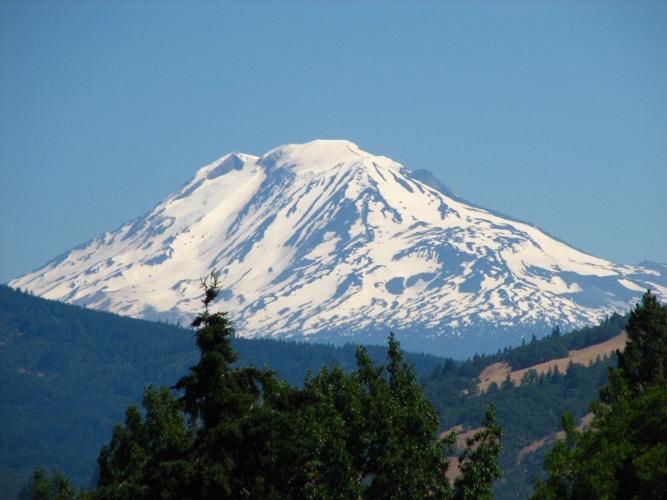
The story of Thor and Útgarða-Loki is an excellent example of him being a shaper of the landscape through his destruction. In this tale, Thor is said to have created three deep dales and a flat-topped mountain from the marks of his hammer when he attempted to strike the head of the giant Skrýmir — who was Útgarða-Loki in disguise. This is a destructive, yet creative act that many forget is attributed him.
Another great instance of how Thor affected the landscape around him is in Þrymskviða, when driving his goat-drawn wagon to the home of Þrymr to retrieve his hammer, his riding caused the björg brotnuðu, brann jörð loga — “the mountains to break, and the earth burned with fire”.
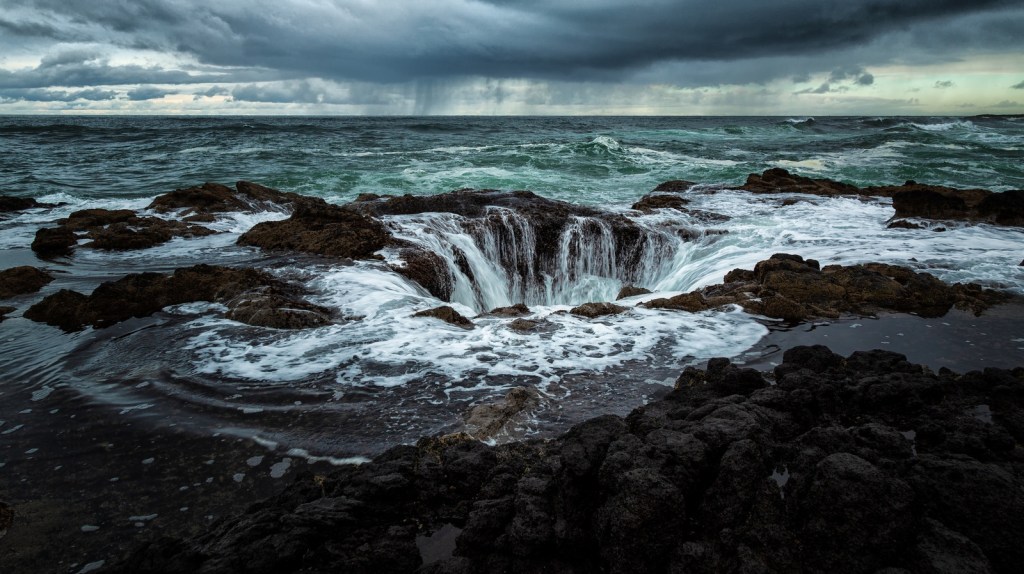
On the lexical level, the word hamarr is applied to different types of crags, cliffs, and cracks in the earth. Which implies that Thor and his hammer have a part to play in their creation, and is thus an active force in shaping the landscape.
Some examples are:
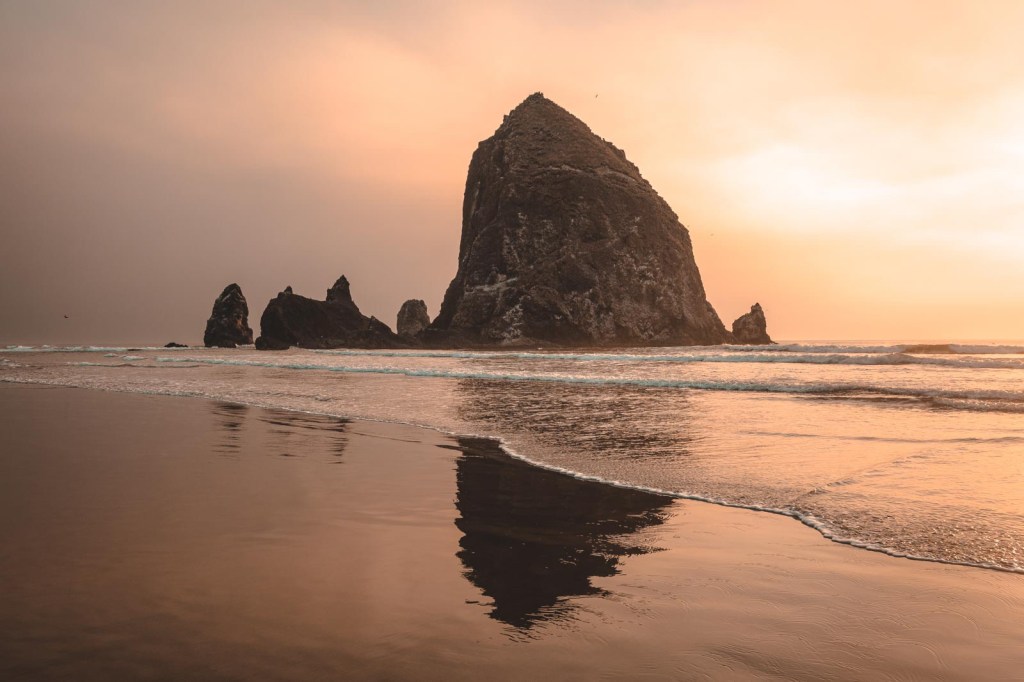
Sjávarhamarr— “sea-hammer”; a sea-crag.
Flugahamarr — “flying-hammer”; sheer cliff/precipice.
Einhamarr — “one-hammer”; a single crag.
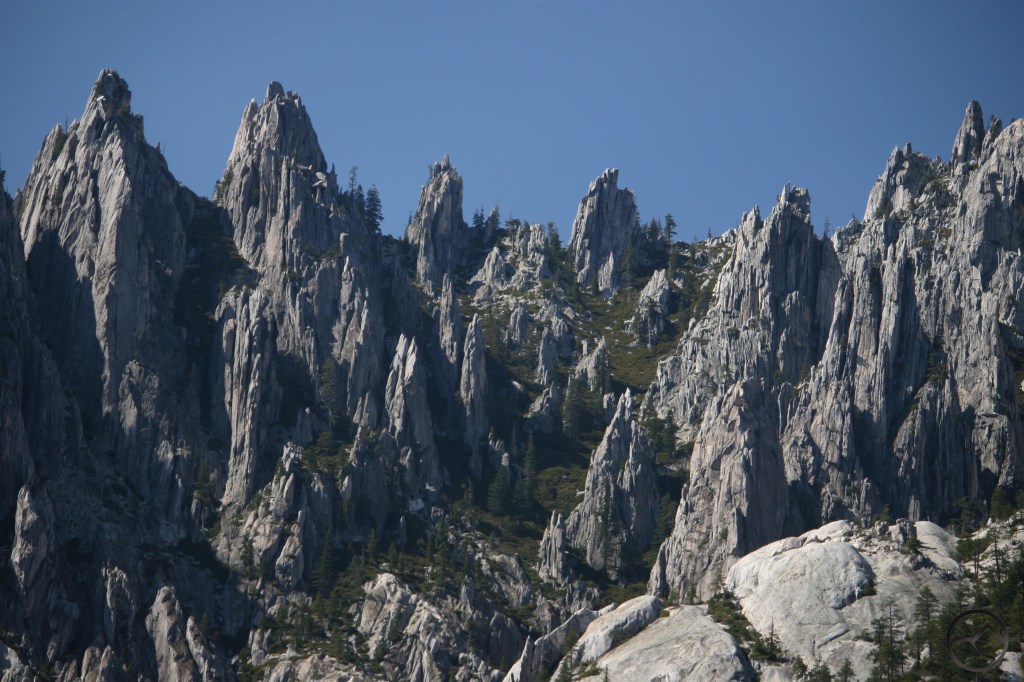
Berghamarr — “mountain-hammer”; a rocky projection from a mountain.
Búðarhamarr — “booth-hammer”; a pier or rock for embarking.
Hamarskúti — “hammer-cave”; a jutting crag, or a cave full of jutting crags.
Hamarklettr — “hammer-clint”; a crag.
Hamarrifa — “hammer-rift”; a rift in a crag.
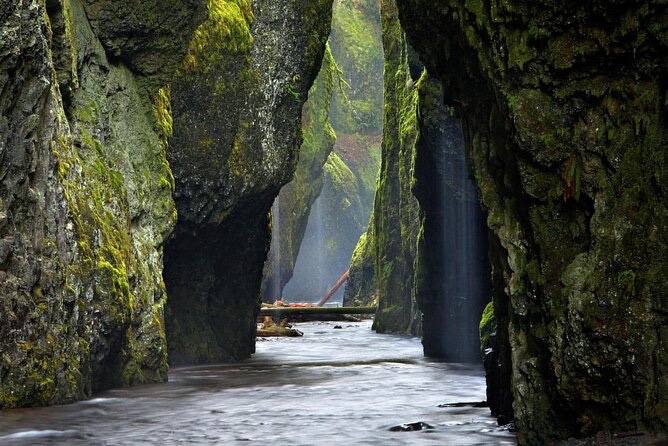
Hamarskarð— “hammer-pass/cleft”; a scaur, cleft or ravine.
Hamargnípa — “hammer-peak”; the peak of a crag.
Hamardalr — “hammer-dale”; a ravine.
Hamarklif — “hammer-cliff”; a craggy cliff.
Hamarspor — “hammer-mark”; a hammer-shaped crag; standing like an anvil.
These places were home to the trolls and evil beings of the world. The trolls that were said to dwell in and around crags and rugged cliffs were called hamartröll, which is where the expression sem genginn út úr hömrum derives, which referred to the wildness of those who dwelled amongst the crags and cliffs.
As Thor works to beat and bludgeon these beings, he shapes the world around him through the deadly hewing of his hammer. The tales of Thor and his conflicts are deeply embedded within the Old Norse language of the landscape.
As we look to rekindle the old fires of tradition, we must look to the language to reveal the divine as it shapes and works within this world, as the worldview was always intertwined with the language they spoke. This gives us who live in America a way to spiritualize our environment, and interact with the divine in a way that is based on our current environment, rather than fixated on a far off place like Scandinavia, or Europe.
 Þórr siðr