Þórr has a unique association with the tides. In Gylfaginning, during the saga of Þórr and Útgarðaloki, Þórr drinks from a horn which has its end in the sea, which causes him to create the tides. We can see in the literature that this aspect of his divine narrative has very real effects in historical material.
Eirik saga rauðs:
A whale drifts ashore after Þórhallr Veiðimaðr is found praying atop a crag to his god Þórr when the crew is starving on Vínland.
Eyrbyggja saga:
The öndvegissúlur of Þórólfr Mostrarskegg drift ashore to Þórsnes, showing him where to settle after he throws them from his ship.
Landnámabók:
Hallsteinn Þórólfsson make a sacrifice to Þórr to receive his own öndvegissúlur, and a great tree washes ashore afterwards which furnishes his hof and the other homes in his district.
Landnámabók:
Kráku-Hreiðar Ófeigsson does not throw his öndvegissúlur overboard, but instead calls to Þórr to show him where to land, and vows to fight anyone that inhabits where he drifts ashore.
Rognvalds þáttr ok rauðs:
Gunnar-Rauðr drifts ashore after his father puts him out to sea to hide his crime of murder, and the boy eventually washes ashore on an island near Hálogaland, where he is fostered by a man who is an adherent of Þórr and maintains his cult there. Gunnar-Rauðr inherits the hof there from his foster-father and eventually comes into conflict with Ólafr Tryggvason.
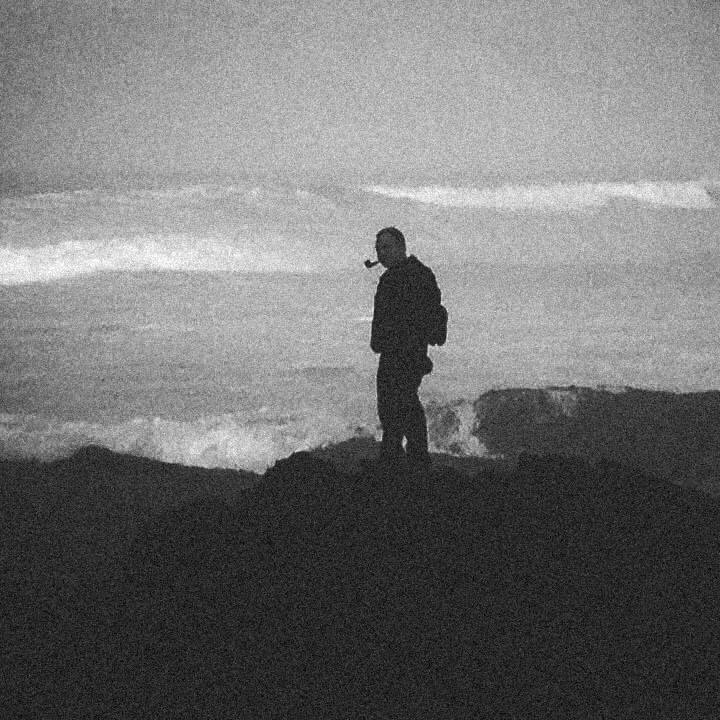
I myself have experienced his tidal power, having experienced a theophany at Thor’s Well on the Oregon coast where a powerful wave almost pulled a friend who had offended him into the well. That was the day I oathed myself to Þórr a decade ago.
The photo at the start of the article is from that day.
 Þórr siðr